Fiber, an indigestible carbohydrate found in plants, is an important nutrient with a slew of health benefits. Unfortunately, most adults don’t consume enough fiber-only 5% of Americans meet their daily fiber needs. While underconsumption of fiber has been deemed a public health concern, it is a problem with some simple solutions. Eating a well-rounded diet rich in fruits, vegetables, legumes, nuts, and seeds will likely provide enough fiber to meet your body’s needs. However, if your usual eating habits don’t include these plant-based foods, you’re probably falling short on this important nutrient. If you’re having trouble getting enough fiber from your meals and snacks, a supplement is a great way to meet your needs. Read on to learn more about fiber supplements and how to choose the right one for your needs.
Qui devrait prendre un complément de fibres ?
Most people can benefit from a daily fiber supplement-though those who don’t get enough fiber from their diet may reap the greatest reward. Regardless of dietary intake, people with high cholesterol or digestive irregularities may also benefit from a regular fiber supplement. The health benefits of dietary fiber extend throughout the body, from improved digestion and heart health to decreased risk of type 2 diabetes and certain types of cancer. Here are the benefits of eating enough fiber-and why a supplement is important if you aren’t getting enough.
Promote digestive regularity
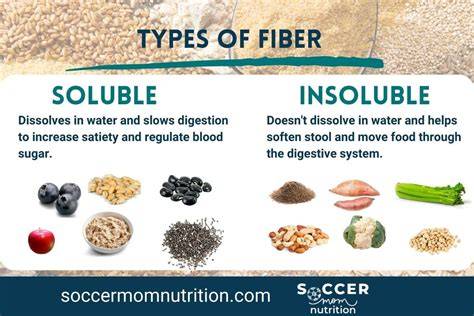
There are two forms of fiber-soluble and insoluble. Insoluble fiber is especially beneficial for the digestive tract. This type of fiber adds bulk to the waste traveling through your intestines and can improve regularity in going to the bathroom. Fiber can also soften stool, allowing it to pass more comfortably while lessening your chances of constipation. Healthier and more regular bowel movements can, in turn, reduce the risk of intestinal issues, like constipation, hemorrhoids, and diverticular disease.
Améliore la santé cardiaque
While insoluble fiber is most beneficial for digestive regularity and health, soluble fiber is especially helpful for managing blood cholesterol levels. In fact, eating 5 to 10 grams of soluble fiber daily can help lower total and LDL “bad” cholesterol by 5 to 11 points, according to the National Lipid Association. This can support healthy cholesterol levels in your body and reduce your risk of heart disease and other health issues. Soluble fiber also supports the healthy bacteria in your gut. This can help improve digestion and may reduce inflammation, further supporting your heart health.
Soutien à la gestion du poids
Another unique benefit of fiber is that it can help you feel fuller after eating and maintain a healthy weight. Fiber provides bulk without extra calories. It may slow down digestion, helping you feel fuller longer. High-fiber foods like veggies and fruits also tend to provide a high volume of food for relatively few calories. A 2023 review of studies found that people with overweight or obese who consumed psyllium, a type of soluble fiber, before meals for nearly five months significantly decreased their body weight and waist circumference.
Faits clés sur les compléments de fibres
Fiber is an important nutrient with many immediate and long-term health benefits-so it’s important to meet your fiber needs daily. If you struggle to get enough fiber in your diet, a fiber supplement may be just what the doctor ordered. The Dietary Guidelines for Americans sets fiber recommendations based on calorie intake. People ages two years and older should aim to eat at least 14 grams of fiber per 1,000 calories consumed. For most adults, 20 to 30 grams of fiber daily is adequate. Unfortunately, Americans consume only 15 grams per day, on average. Not getting enough fiber can lead to uncomfortable symptoms, like constipation, which may increase your risk of some gastrointestinal cancers. If you are not eating enough fiber, consult your healthcare provider about taking a daily supplement.
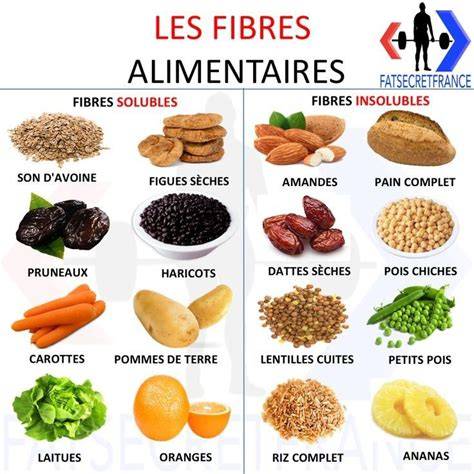
In addition to fiber supplements, there are plenty of high-fiber foods you can eat to significantly boost your fiber intake. Nuts and seeds are great sources of fiber, as well as healthy fats and protein. They are convenient for an on-the-go snack and can easily be incorporated into meals. Beans and lentils are two of the most concentrated sources of fiber and great plant-based sources of protein. Lastly, dates are fiber-rich, and their natural sweetness can satisfy your sweet tooth without any added sugar. You can add all fruits and veggies to this list of high-fiber foods.
Choisir le meilleur complément de fibres pour vous
When choosing a fiber supplement, it is important to consider what your goals are for taking the supplement. Because there are two types of fiber, soluble and insoluble, your reasons for taking a supplement may influence which is best for you. For example, if you are interested in taking a supplement to improve blood sugar and cholesterol levels, soluble fiber may be your best choice. Luckily, plenty of fiber supplements provide several grams of soluble fiber. If you are looking for ways to improve digestive regularity and alleviate constipation, a supplement with more insoluble fiber may be the better option.
In addition to evaluating which type of fiber is most beneficial for your needs, you should also consider the supplement’s form. Fiber supplements are available in gummies, powders, and capsules. Gummies and capsules can easily be taken on their own or along with other supplements, while powdered fiber supplements can be added to your morning smoothie or oatmeal, or simply consumed in a glass of water or juice. In addition to choosing your supplement based on health needs and form, always read the nutrition panel and opt for supplements with minimal added sugar. You may also consider options that provide additional nutrients, like protein, as an added bonus.
Before purchasing a fiber supplement, consult your healthcare provider to determine which type of fiber may be best for you-and whether you need a fiber supplement at all.
Prendre avec discernement
Takeaway: While fiber offers far-reaching health benefits, most of us aren’t consuming enough of this important nutrient. Whether you want to improve your digestive regularity, help lower cholesterol levels, support weight management, or help lower your risk of certain cancers, a fiber supplement may help. Talk with your healthcare provider to determine whether a fiber supplement is right for you and which type of fiber-soluble or insoluble-will help you meet your health goals.
Conseils pratiques et modes d'emploi
Dans un grand verre d'eau, verser 2 cuillères doseuses. Mélanger jusqu'à obtenir un rendu homogène. Boire le mélange rapidement une fois dilué. Les fibres peuvent être utilisées dans vos préparations culinaires chaudes ou froides.
Augmenter progressivement la supplémentation en commençant par 1 cuillère doseuse par jour pendant quelques jours. Ne peut se substituer à un régime alimentaire varié et équilibré. Consommer dans le cadre d'un mode de vie sain. Ne pas dépasser la dose journalière recommandée. Tenir hors de portée des enfants. Déconseillé aux enfants de moins de 6 ans, aux femmes enceintes et allaitantes, en cas de prise concomitante de médicaments ou en cas de trouble de la déglutition. Prendre l'avis d'un professionnel de santé en cas d'anomalie du tractus gastro-intestinal. À consommer avec beaucoup d'eau pour s'assurer de la bonne ingestion du produit. Conserver dans un endroit sec et à l'abri de la chaleur et de la lumière. Bien refermer le sachet après utilisation. Cuillère doseuse fournie dans le paquet. Ce sachet contient 28 doses de 5.25 g.
Principaux compléments alimentaires à base de fibres
Une grande variété de compléments en fibres est actuellement disponible sur le marché. Toutefois, il est important de choisir des produits répondant à des normes de qualité élevées. Voici quelques-uns des principaux suppléments offerts par les options populaires :
- Psyllium Husk: fibre soluble qui contribue au transit et à la fonction intestinale.
- Inuline: prébiotique, utilisée comme épaississant et édulcorant.
- Poudre de fibres de pomme: teneur élevée en fibres, adaptée aux régimes riches en fibres.
- Glucomannane: fibre soluble issue du Konjac, aide à maintenir un taux de cholestérol normal et peut être utilisée dans des régimes de perte de poids.
Précautions à prendre
Bien que les compléments de fibres soient généralement sûrs, il est préférable de consulter un spécialiste de la santé, surtout si vous êtes enceinte ou allaitante, si vous prenez des médicaments ou si vous avez une pathologie sous-jacente. Si vous ne consommez pas habituellement suffisamment de fibres, commencez par des portions plus petites et augmentez progressivement pour éviter ballonnements, douleurs, gaz et diarrhée.
Le parcours des glucides dans l'organisme
tags: #complement #alimentaire #fibre #avis